Trade growth slows to 1.9%: building cost resilience when markets tighten
The WTO expects merchandise trade volume to grow just 1.9% in 2026, down from 4.6% in 2025 — and only 1.4% if energy prices stay high. Companies that control their own costs will be best placed.
 OCCASIO® Team
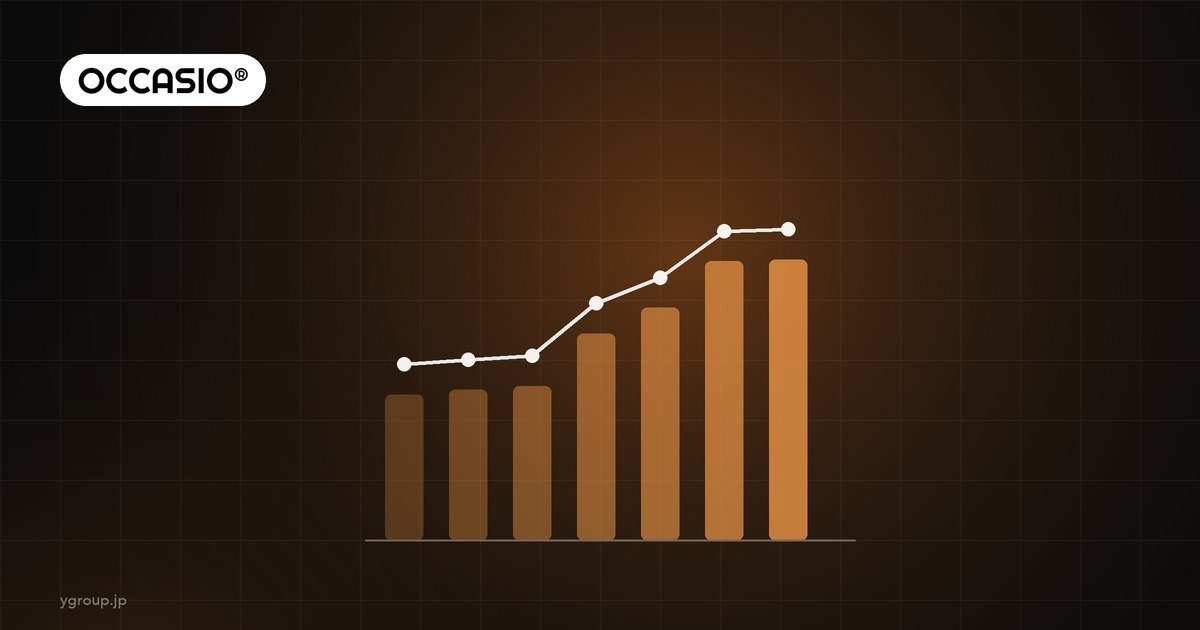
In its March 2026 Global Trade Outlook, the World Trade Organization projected that world merchandise trade volume will grow by only 1.9% in 2026, after 4.6% in 2025, before recovering to 2.6% in 2027. In a high-energy-price scenario linked to conflict in the Middle East, growth could fall to just 1.4%.
Two other findings stand out. AI-related goods accounted for 42% of global trade growth in 2025 while making up about a sixth of trade — so much of the “growth” was concentrated in one sector. And services trade is expected to keep growing faster, at around 4.8% in 2026.
What slower trade means for a mid-sized company
- Fewer easy volume gains. Growth will come more from margin and market share than from a rising tide.
- More price pressure. Customers facing their own cost squeeze will negotiate harder.
- Energy as a swing factor. Where energy prices rise, energy-intensive producers lose competitiveness fastest.
Five resilience moves
- Know your cost-to-serve by product and customer — and stop subsidising unprofitable ones.
- Diversify critical inputs where one supplier or route represents a single point of failure.
- Treat energy as a managed cost: tariff optimisation plus verified efficiency (see our verified results).
- Digitise operations so decisions use live numbers instead of last month’s.
- Keep options open on markets and partners — services and regional trade may grow faster than global goods trade.
OCCASIO® runs structured cost-reduction and resilience programmes that connect strategy to execution across the Why® Group. Start with a diagnostic.
Sources
Written by
OCCASIO® Team