From linear to circular: the economic case for keeping assets in use
The world throws away electronics containing $91 billion of metals a year and recycles barely a fifth. The circular economy is usually framed as an environmental duty. It is first an economic opportunity.
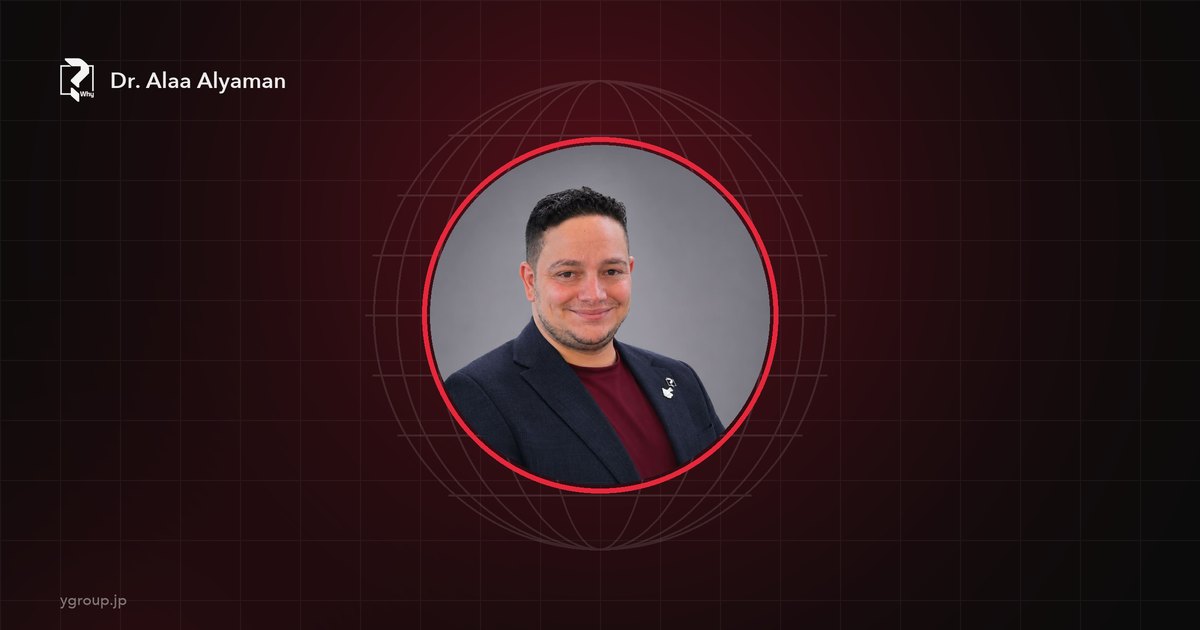
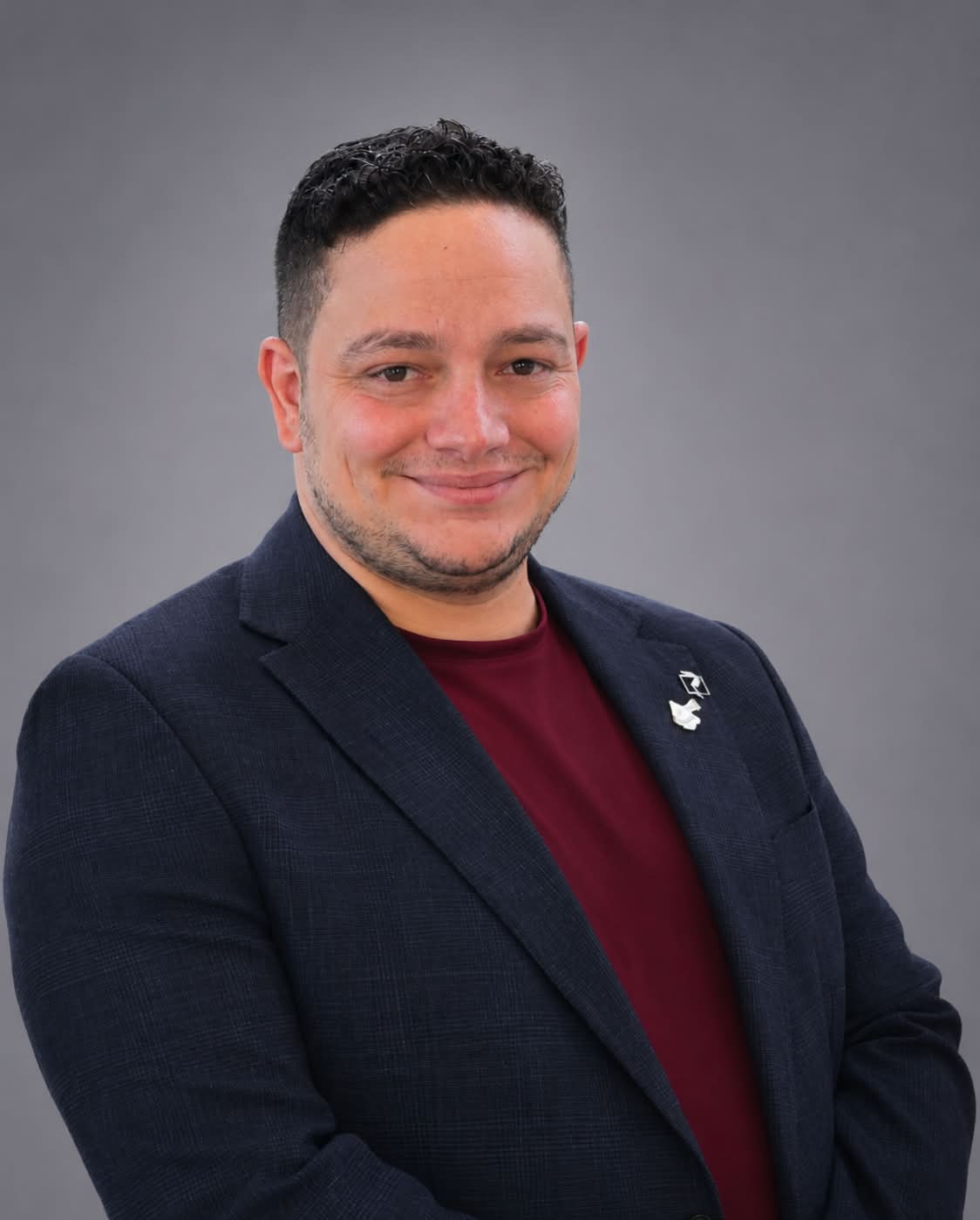 Dr. Alaa Alyaman
Economics has a simple test for waste: an asset discarded while it can still produce value is capital destroyed. By that test, the linear “buy, use, discard” model is one of the largest inefficiencies in the modern economy.
The scale of the leak
The UN’s Global E-waste Monitor estimated that the world generated a record 62 million tonnes of electronic waste in 2022, with metals worth about $91 billion embedded in it — and that only 22.3% was documented as properly collected and recycled. And that is only electronics. The same pattern repeats in machinery, vehicles, buildings and industrial equipment.
Asset productivity: the missing metric
Companies track labour productivity and return on capital, but rarely ask how many years of useful life they extract from each asset. A laptop retired after three years, a motor replaced instead of repaired, a building cooled inefficiently for decades — each is a quiet loss on the balance sheet.
Circular models change the arithmetic:
- Second life: high-quality equipment refurbished and redeployed at a fraction of new cost.
- Life extension: maintenance and upgrades that keep assets productive for longer.
- Efficiency in use: the energy an asset consumes over its life often exceeds its purchase price.
Regulation is catching up with economics
Europe’s Right to Repair directive and growing scrutiny of embedded emissions are turning circular practices from optional to expected. Companies that build circular supply chains early will face lower costs and fewer surprises when the rules tighten.
A note for business leaders
The most convincing circular strategies I have seen were not designed by sustainability departments. They were designed by finance and operations teams who asked a simple question: what is the cheapest way to get the capability we need, over the full life of the asset? Very often, the answer is to keep something good in use for longer.
Sources
Written by
Dr. Alaa Alyaman
Executive Chairman/Founder