Growth near 3%, trade at 1.9%: how mid-sized firms should plan for 2027
The IMF’s October 2026 outlook sees the world economy growing 3.1% this year, held up by AI investment while trade slows. For mid-sized companies, the message is to plan for resilience rather than a rising tide.
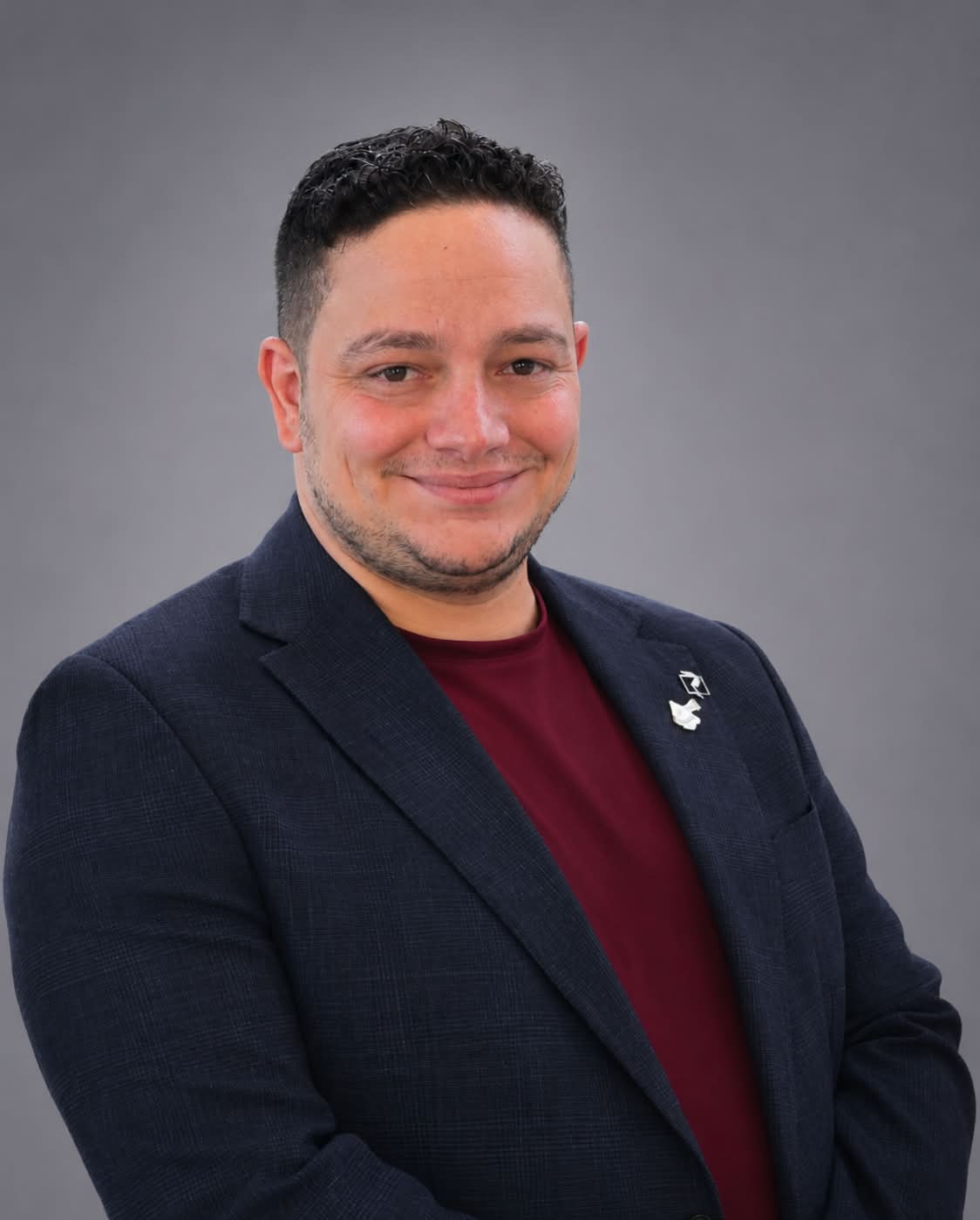 Dr. Alaa Alyaman
On 13 October 2026, the International Monetary Fund published its World Economic Outlook, titled “Resilience Under Strain, Urgent Choices”. It projects global growth of 3.1% in 2026, a small upgrade on the July forecast. The Managing Director pointed to accelerating investment in AI infrastructure as a key factor keeping growth near 3% — while warning about risks from that boom and from high debt.
Earlier in the year, the WTO projected merchandise trade growth of only 1.9% for 2026. Put together, the picture is of an economy that is growing, but unevenly, with much of the momentum concentrated in a few sectors and a few large companies.
What this means if you run a mid-sized business
- Don’t plan on the tide. Average growth hides wide differences between sectors. Build the budget on your own markets, not the global headline.
- Protect margin first. In a slower-trade world, customers negotiate harder. Know your cost-to-serve and your break-even.
- Make costs controllable. Energy, logistics and IT are the cost lines where disciplined management produces the fastest, most measurable results.
- Invest in capability, not hype. AI is real, but its value appears where data and processes are already in order.
- Keep the balance sheet flexible. With debt risks rising globally, liquidity is a strategic asset.
Three questions for your 2027 plan
- If revenue were flat next year, which three actions would protect profit?
- Which of your costs could you cut by 10% with measurable, verified projects?
- Which capabilities — people, systems, partnerships — will still matter if the cycle turns?
Economies move in cycles; good companies move in decades. The firms that come out of 2027 stronger will be those that used a period of moderate growth to become leaner, better measured and more resilient — not those that waited for conditions to improve.
Sources
Written by
Dr. Alaa Alyaman
Executive Chairman/Founder