Japan and the Gulf: what a GCC–Japan trade agreement could mean for mid-sized companies
GCC–Japan free-trade talks moved into a second round in Tokyo this summer. Beyond oil and cars, the bigger opportunity may lie in technology, services and the mid-sized firms that connect the two economies.
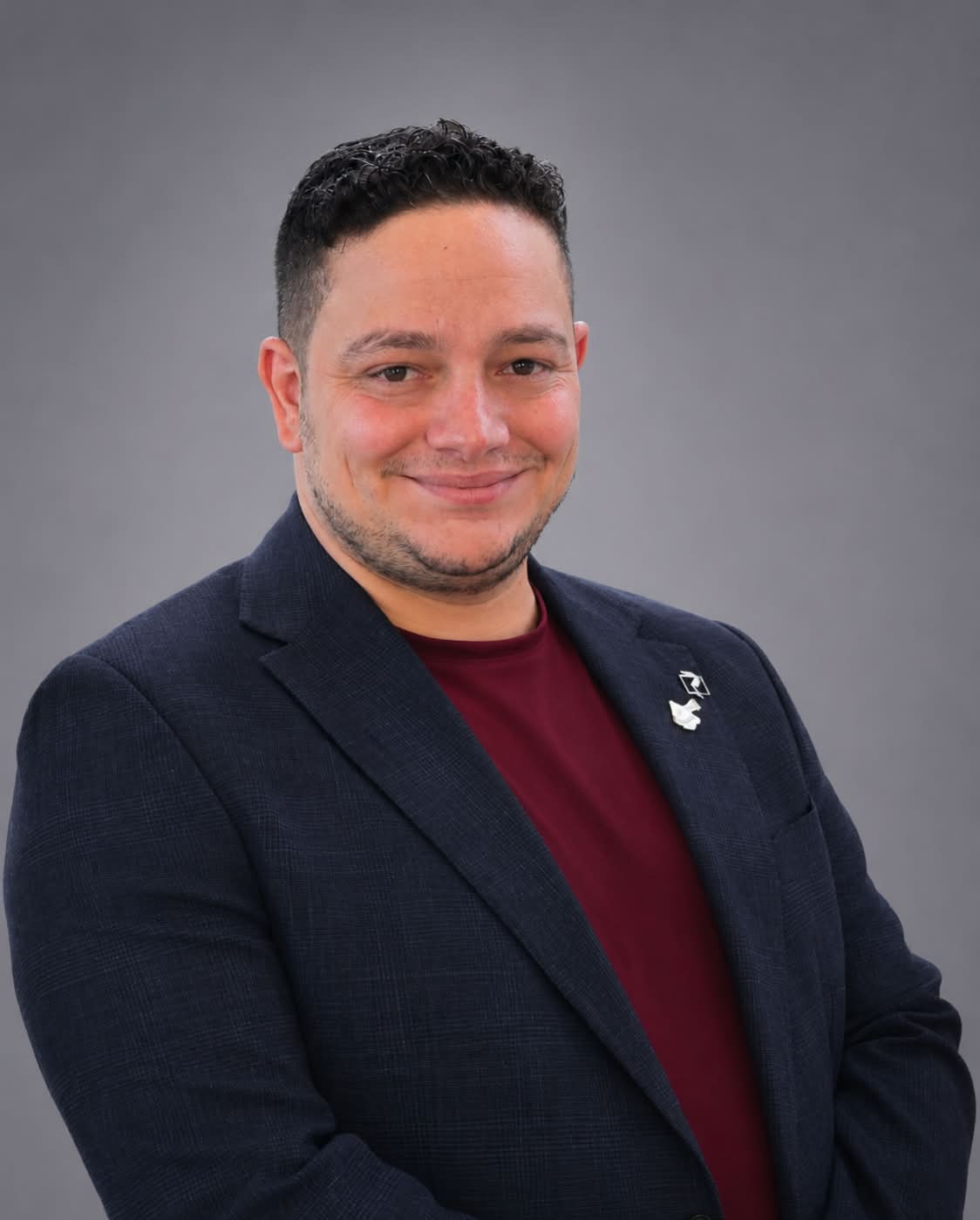 Dr. Alaa Alyaman
From 30 June to 4 July 2025, negotiators from the Gulf Cooperation Council and Japan met in Tokyo for the second round of free-trade agreement talks. The agenda went well beyond tariffs on goods: services, financial services, movement of people, intellectual property, technical barriers to trade, telecommunications and rules of origin.
A relationship still shaped by energy
According to JETRO figures, GCC exports to Japan were about $84 billion in 2024 (down from $93 billion as oil prices fell), while Japanese exports to the GCC rose to about $24 billion. The pattern is familiar: energy flows east, vehicles and machinery flow west.
A modern agreement could change the composition of that trade, not just its size.
Where I see the opportunity
- Technology transfer with local delivery. Japanese engineering — in energy efficiency, water, materials and manufacturing quality — is respected across the region. What is often missing is a partner who can adapt and deliver it locally.
- Services and digital trade. Chapters on services and telecommunications open doors for software, consulting and engineering firms, not only large exporters.
- Talent mobility. Easier movement of professionals turns trade into lasting capability.
- Circular supply chains. Japan’s high-quality corporate equipment, refurbished and redeployed, can serve fast-growing markets at lower cost and lower environmental impact.
Why mid-sized companies matter
Large trade agreements are negotiated by governments and used first by large corporations. But the real breadth of a trade relationship is built by mid-sized companies that understand both business cultures: Japanese discipline in quality and process, and the Gulf’s speed, ambition and scale.
As a Tokyo-based group with roots and operations across the Middle East, we see this every day. The companies that will gain most from a GCC–Japan agreement are preparing now — learning each other’s standards, building trusted partnerships and investing in people who can work across both worlds.
Sources
Written by
Dr. Alaa Alyaman
Executive Chairman/Founder